
Exploring Different Types of Carpets: Twisted, Saxony, and Loop


Introduction to Carpet Types
When it comes to flooring solutions, carpets hold a special place. They offer comfort, warmth, and a unique aesthetic appeal to any space. This blog will explore three popular types of carpets: twisted carpet, saxony carpet, and loop carpet. Understanding the features, benefits, and applications of each type will help you make an informed choice for your home or office.
Twisted Carpet
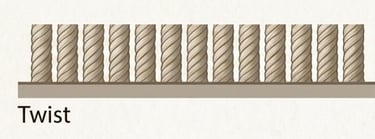
Twisted carpet, often known as frieze carpet, is characterized by its tightly twisted fibers, creating a distinct texture that is both stylish and durable. The twist in these fibers makes them less prone to crushing, thus offering better resilience against foot traffic. These carpets come in a variety of colors and patterns, making them versatile for different interior styles.
Look and Appearance:
1. Due to the tightly twisted fibers, it has a slightly rougher, textured surface compared to smoother, plush carpets.
2. It often presents a relaxed, cozy aesthetic, making it suitable for modern and traditional homes.
3. Because of the varying pile direction, it is excellent at hiding footprints, vacuum lines, and light dirt.
Feel and Texture:
1. Underfoot, it offers a firm but comfortable, dense, and "springy" sensation rather than a deep, sinking plush feel.
2. While tough, the tufted ends of the fibers still provide a soft, warm, "barefoot" experience.
3. Due to the high-density twist, it maintains its texture and resists flattening better than other styles, such as Saxony.
Best Use Cases
High-Traffic Areas: Its durable nature makes it ideal for hallways, stairs, and living rooms.
Busy Households: It is highly recommended for homes with families and pets due to its stain-resistant options
Saxony Carpet
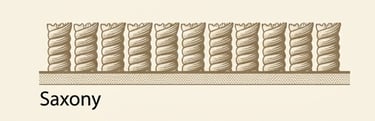
Saxony carpet is recognized for its smooth, velvety finish, achieved through cut pile construction. This type often features longer fibers than other carpet types, providing a luxurious feel underfoot. Although saxony carpets boast elegance, they require more maintenance to retain their appearance, as the fibers can easily show footprints and vacuum marks.
Look & feel:
Soft, velvety, and wonderfully comfortable underfoot.providing a luxurious feel underfoot.They bring a touch of elegance and cosiness but can show footprints and vacuum marks, so they’re better in low to medium-traffic rooms
Best Use Cases:
Bedrooms, lounges, and spaces where comfort is a priority. They are best suited for low-traffic areas, such as bedrooms or formal living spaces, where comfort and aesthetics are priorities.
Loop Carpet
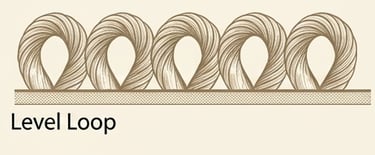
Loop carpet distinguishes itself through its unique design, where the fibers are looped instead of cut. This creates a more durable surface that is resistant to dirt and stains, making loop carpet an excellent choice for busy environments. The texture can range from tight loops, providing a more formal look, to larger, softer loops for a casual feel. Additionally, loop carpets tend to hide imperfections and are often recommended for areas like hallways and offices where high durability is essential.
Conclusion
In summary, choosing the right carpet for your space entails understanding the characteristics of different types such as twisted, saxony, and loop carpets. Each option offers unique benefits suited for various needs and preferences. When selecting a carpet, consider factors like foot traffic, maintenance, and aesthetic desires to find the perfect fit for your home or office environment.
Key Differences:
Twist vs. Saxony: Saxony is softer and fluffier, with fibers that allow feet to sink in, but it flattens more easily and shows footprints.
Twist vs. Loop: Loop carpets are generally stiffer, more durable, and have a more defined, uniform look, whereas twists are softer and have a more relaxed, textured look.
DESIGNED BY MRC


Company no 16908850 info@housesolutionltd.co.uk